Have you ever noticed how laughter shows up in the middle of hard moments?
Why do some people manage to carry themselves through life’s chaos with a lightness that seems impossible?
Can a simple smile or a quick joke actually make challenges feel less heavy?
In You’re Not God, That Job Is Taken, Scott H. Silverman shares his experience helping people navigate crises, and he highlights a surprising tool that often gets overlooked: humor as a coping mechanism.
What if the key to stronger emotional endurance lies in learning to laugh when life pushes back?
Why Humor Matters
Life doesn’t wait. Problems pile up and pressure mounts. Most of us respond by tightening our grip, trying to control what we can’t. Silverman points out that while we can’t always change outcomes, we can shift how we respond.
Using humor to cope doesn’t mean ignoring pain. It means giving yourself a pause, a moment to step back from the tension and see a crack of light through the difficulty. Laughter acts like a pressure valve. It releases stress without costing control. In moments when you feel cornered, humor for healing can prevent despair from taking over.
How Humor Builds Resilience
When life challenges us, resilience is not just toughness. It is the ability to continue moving forward without breaking under the weight of expectation. Humor as a coping mechanism strengthens this ability. By seeing absurdity or irony in setbacks, we gain perspective. Jokes, playful stories, and lighthearted interactions remind us that mistakes don’t define us.
In You’re Not God, That Job Is Taken, Silverman emphasizes that those who cultivate humor for healing often find themselves bouncing back faster from adversity. Laughter creates a psychological buffer, making it easier to process frustration, disappointment, and fear.
Everyday Ways to Use Humor to Cope
You don’t need a comedian to teach you this. Begin by noticing small, ridiculous moments that life throws at you and naming them out loud. Share a laugh with a friend over a situation that could otherwise feel overwhelming. Watch content that makes you smile. Allow yourself to respond to challenges with lightness when it doesn’t compromise responsibility.
Silverman notes that recognizing absurdity in daily struggles is itself a form of liberation. The more you practice using humor to cope, the more naturally it becomes part of your toolkit for managing stress.
Small Steps That Make a Difference
Even a tiny shift can create an effect: smiling at a frustrating email, joking about a minor setback, or recalling a funny story. Laughter lowers tension and improves focus. It signals to your body that the moment is manageable.
Over time, these small choices reinforce emotional flexibility. Silverman’s experience shows that people who adopt humor as a coping mechanism navigate stress with more confidence, respond to setbacks with calm, and notice opportunities where they once only saw problems.
What are the Benefits of Joy and Laughter?
Start by noticing what makes you genuinely smile. Schedule a short pause in your day for a humorous video or a funny memory. Laugh at yourself when you stumble, and allow others the space to do the same. By inviting lightness into difficult situations, you cultivate emotional stamina.
In Scott H. Silverman’s You’re Not God, That Job Is Taken, the emphasis on finding levity amidst challenges is more than a momentary relief. It’s a strategy for endurance. When we integrate the benefits of joy and laughter into our routines, resilience becomes an active practice rather than an abstract goal.
Moving Forward with Laughter
Humor is not a cure-all, but it is a reliable companion through life’s storms. Using humor for healing teaches patience, self-compassion, and adaptability. Silverman’s lessons remind us that we don’t have to carry the weight of every crisis in complete seriousness. By letting humor as a coping mechanism guide our response to tension, we gain clarity, perspective, and the ability to bounce back stronger than before. Cultivating moments of laughter, even in small doses, is a conscious choice that strengthens mind and spirit.

If you are facing a situation with a loved one, spouse, or even a child that has started to spiral, please call me at 619-993-2738.
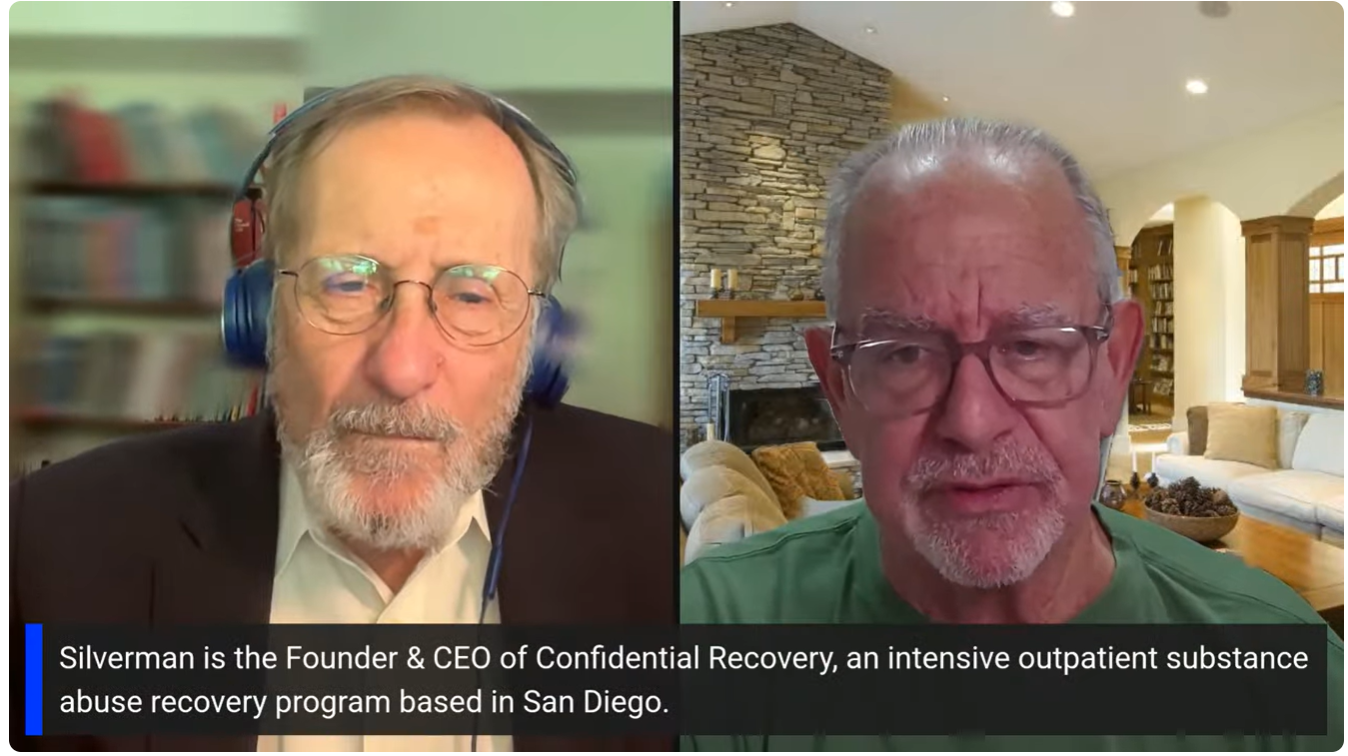
Scott is the Founder and CEO of Confidential Recovery, an drug counseling program for adults in San Diego.
About Scott H. Silverman: Scott has been fighting against addiction for over 30 years, one person, speech, and book at a time. You can buy a copy of his latest book “You’re Not God, That Job is Taken” here.